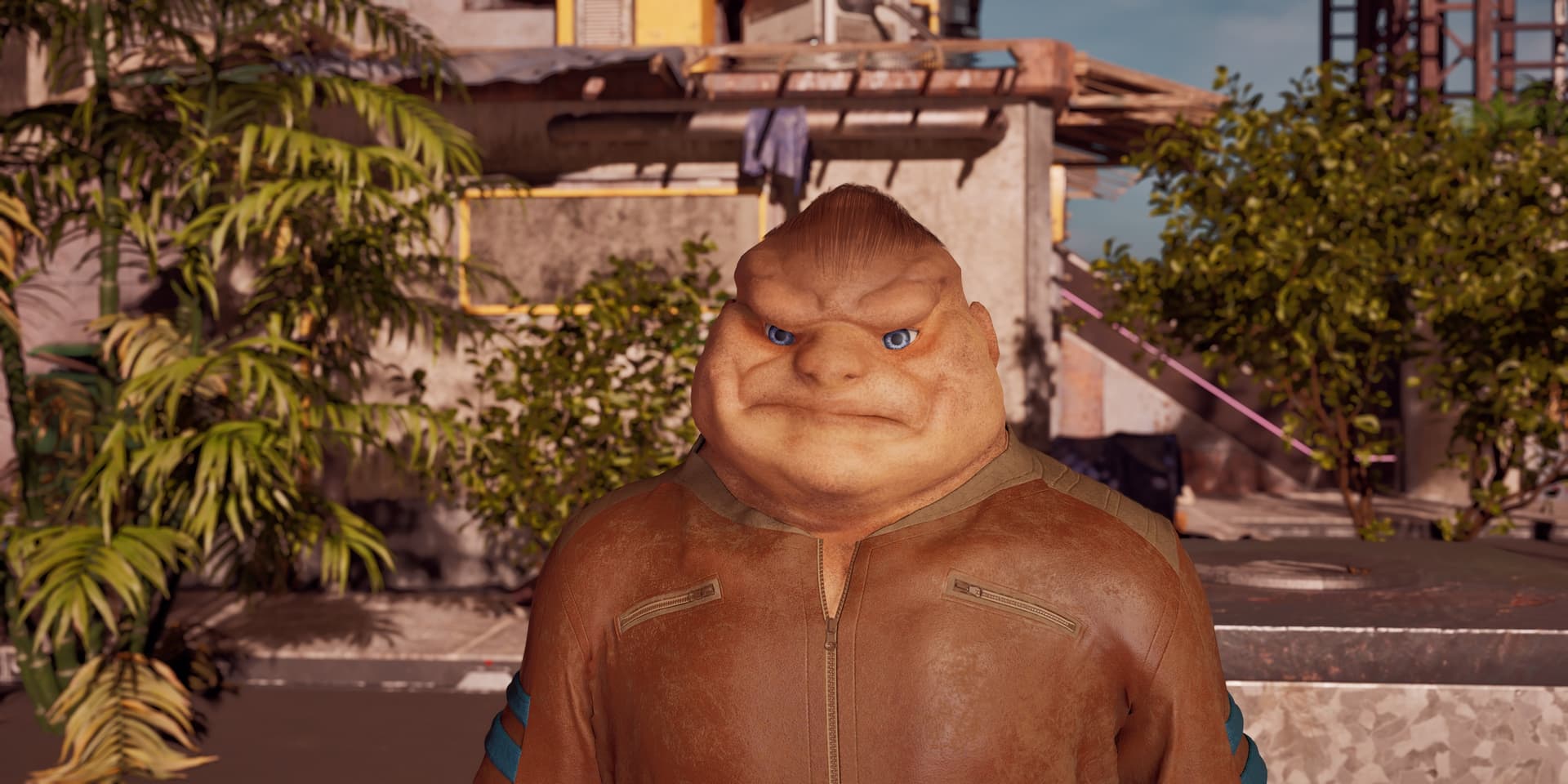
[WIP] 2026 Reallusion 3D Character Contest - Alien Disclosure by Zoltan Barati

Visual Development
Character and environment concepts, including AI-assisted ideation for rapid exploration:

Modeling Pipeline
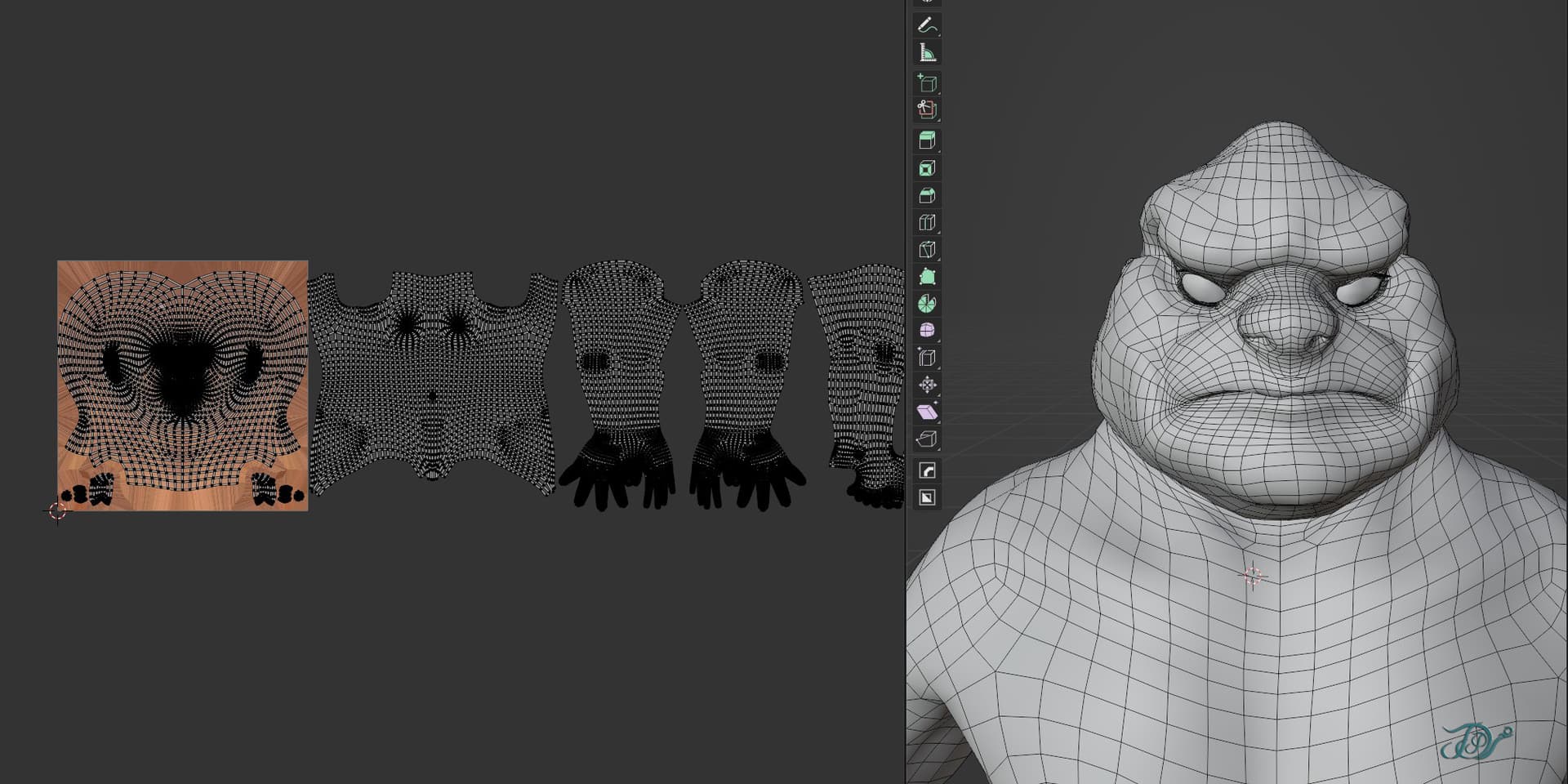
Translating 2D concepts into clean, optimized 3D models with efficient topology and UV mapping using AI assistant to convert 2D image to 3D and ZBrush to enhance the shape. Applying the bust to CC3+ template using the Headshot 2/3:
Blendshape Editing
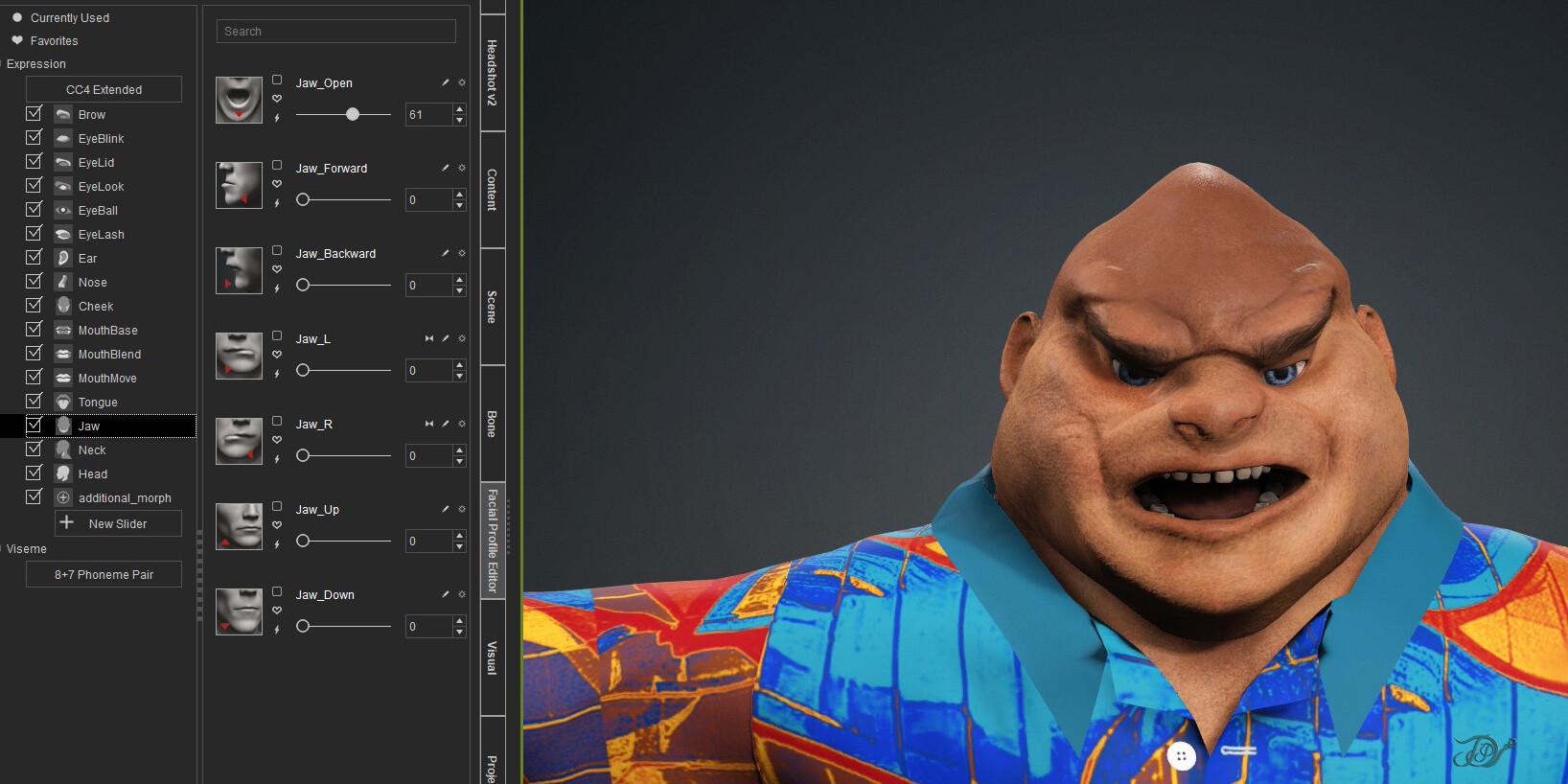
Facial Expression Improvements. The custom humanoid shape requires some blendshape editing of the expression using Character Creator / Facial Profile Ediotr and ZBrush:
Clothing Design
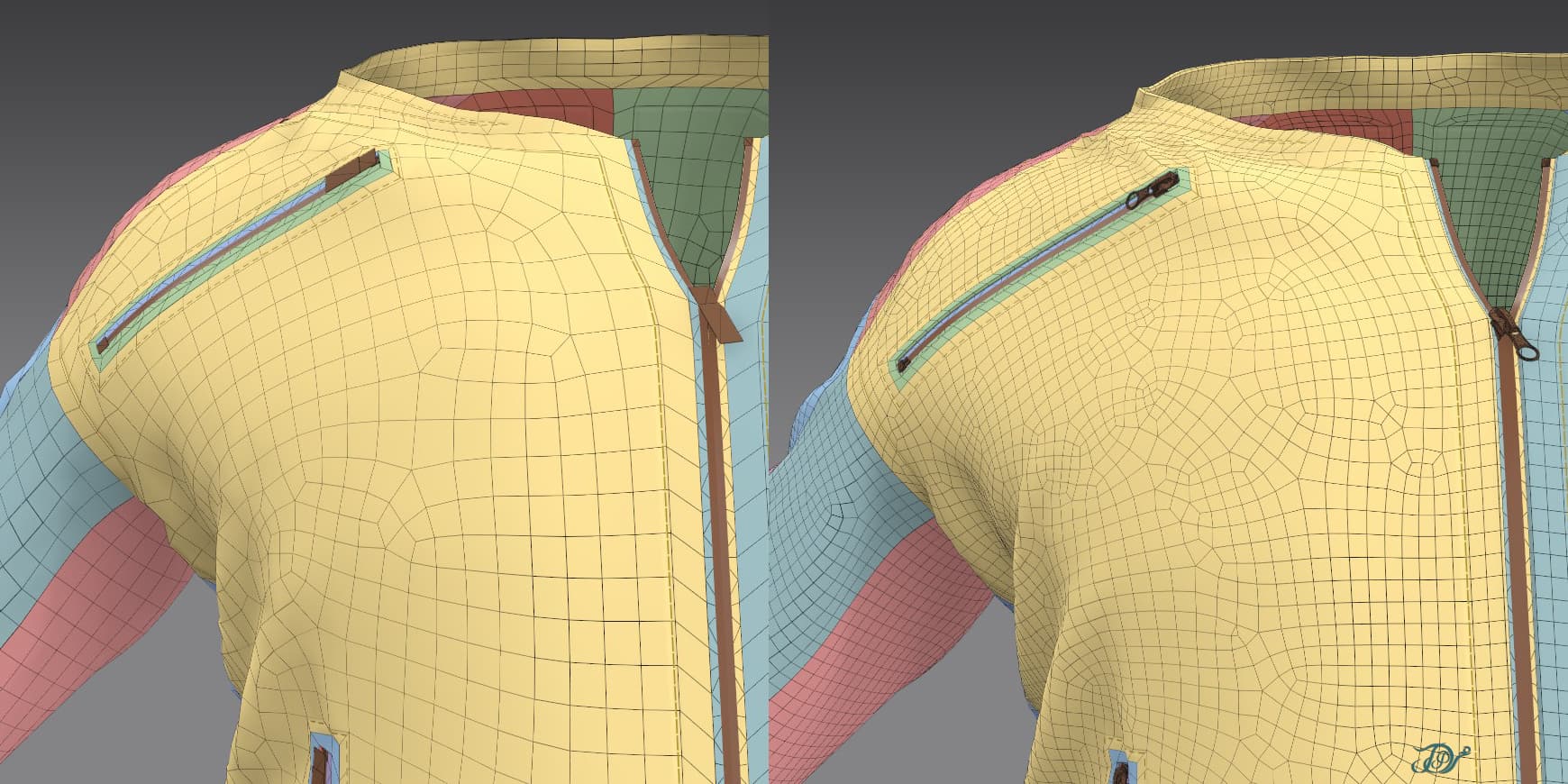
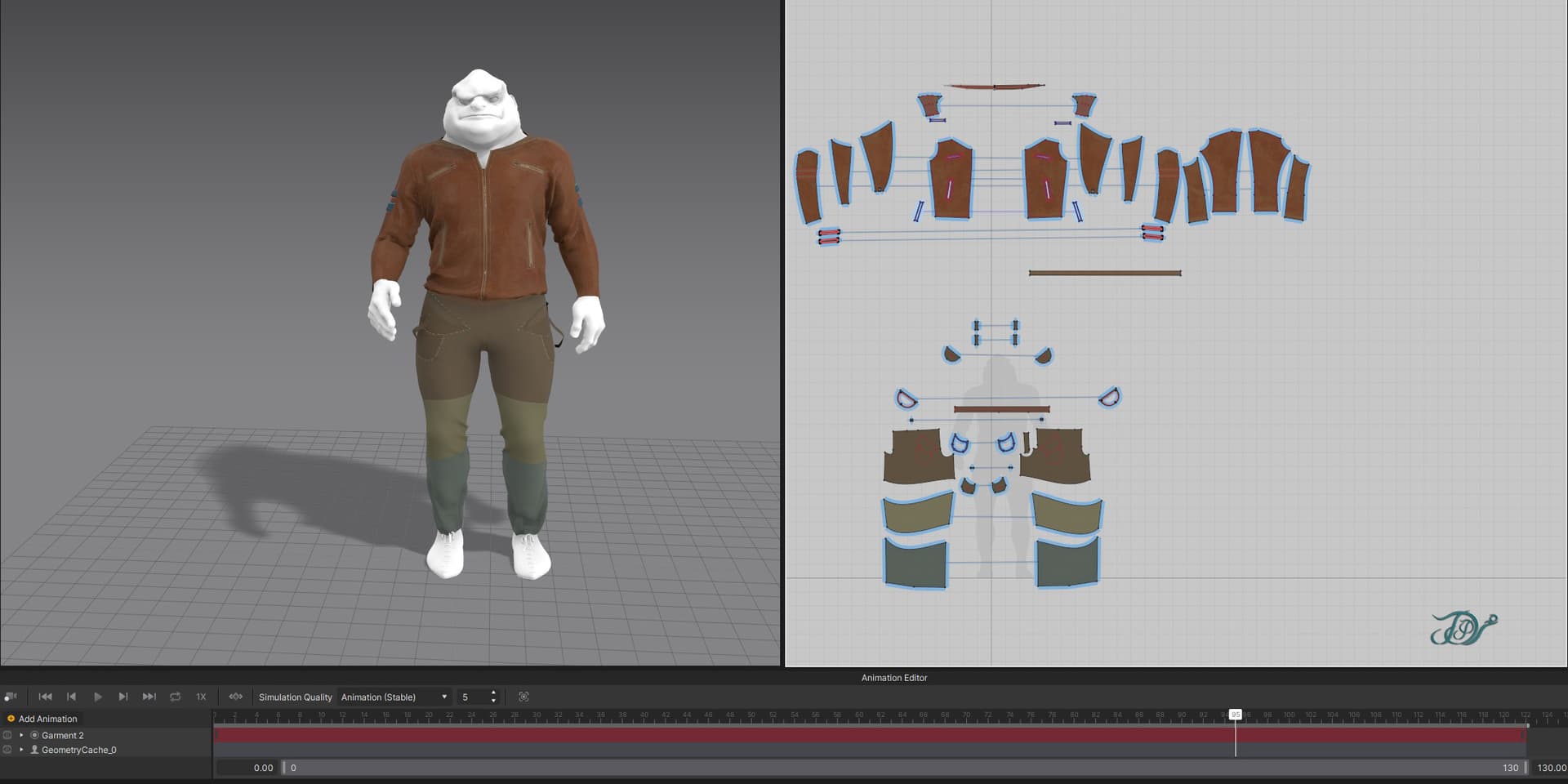
Clothing Design with Marvelous Designer creating the low poly and detailed higher resolution version:
Rendering
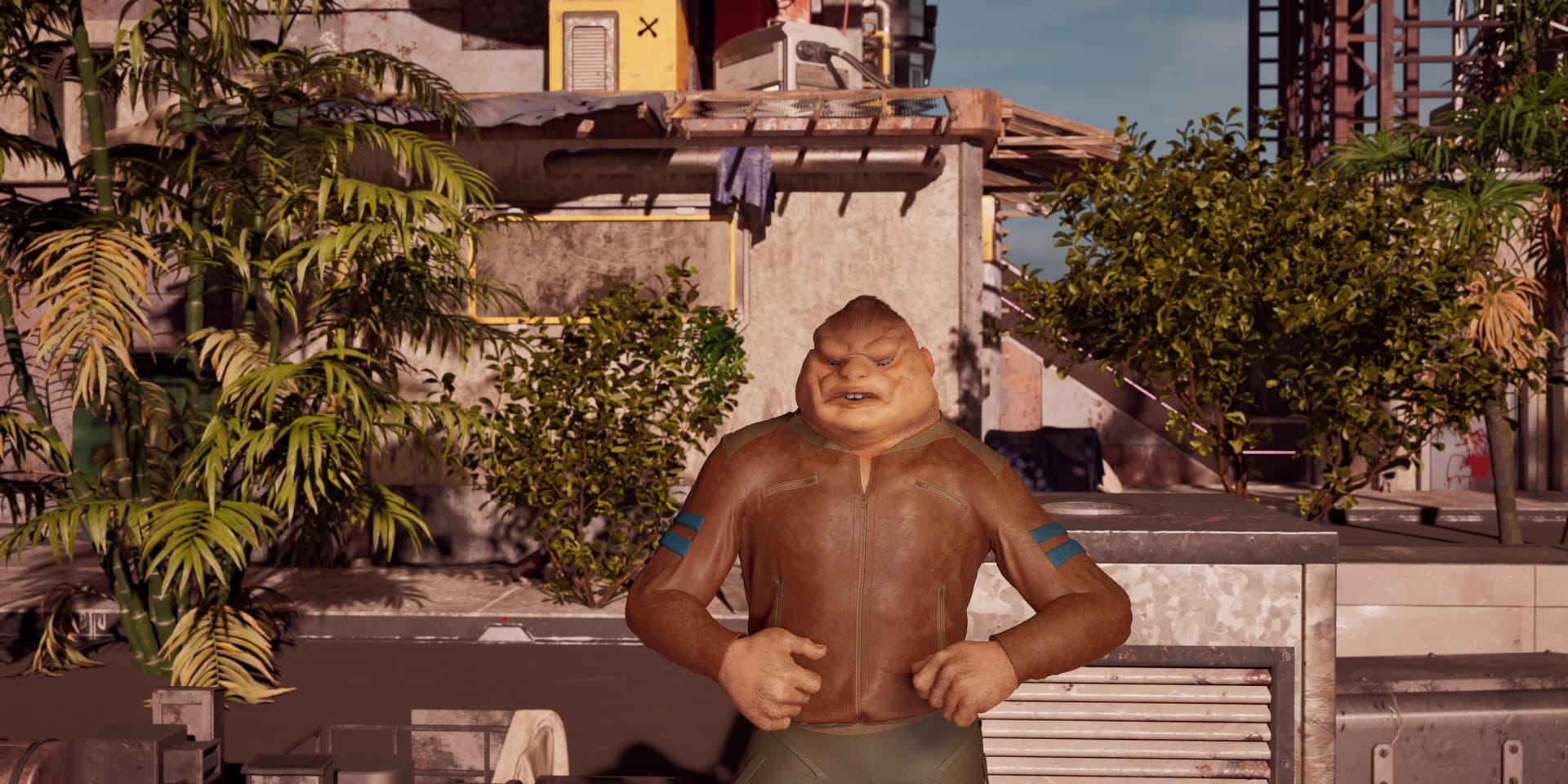
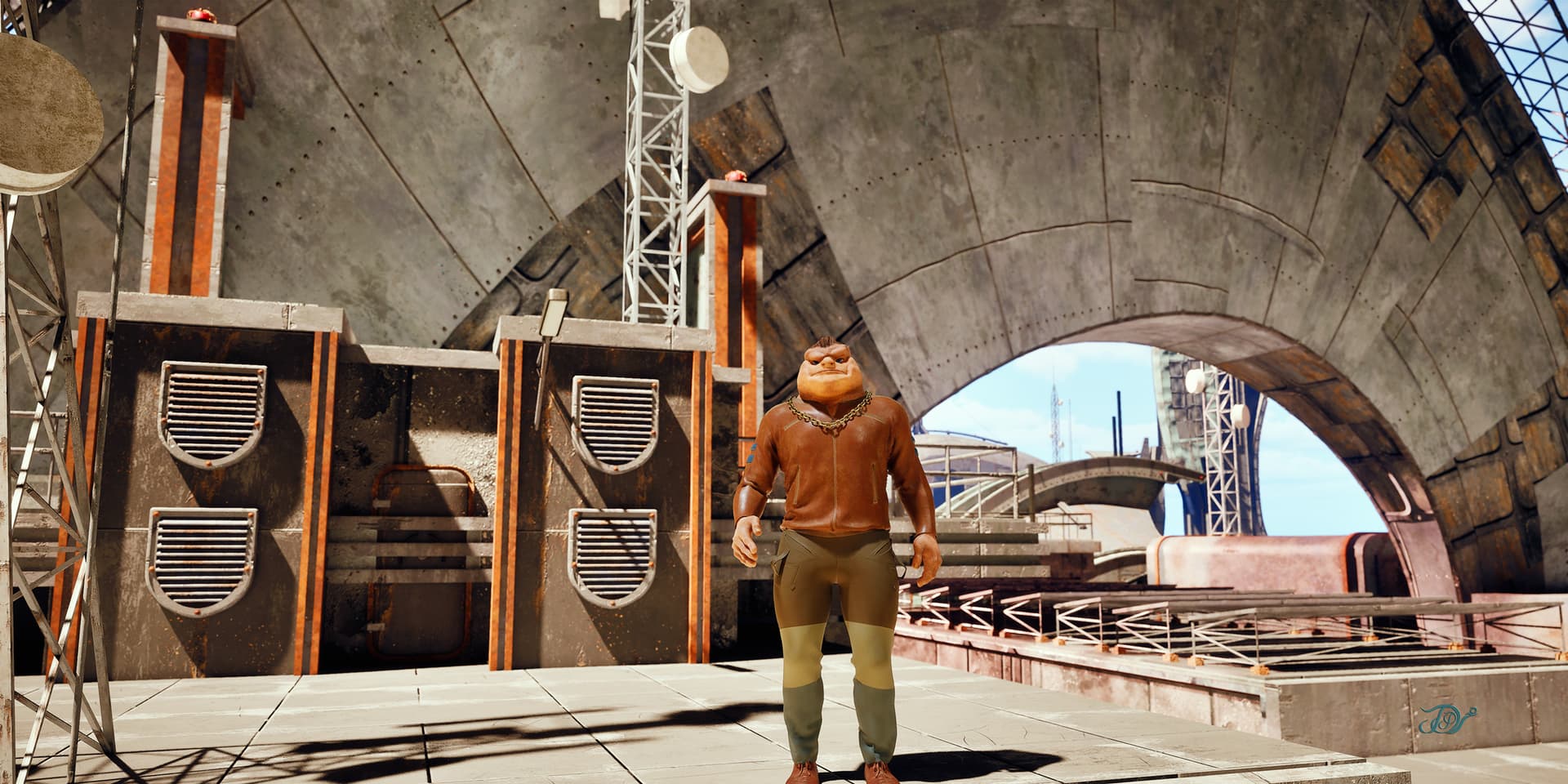
Rendering in Unreal Engine with Environment using my proprietary FlexRap Rendering:
Strand-Based Hair
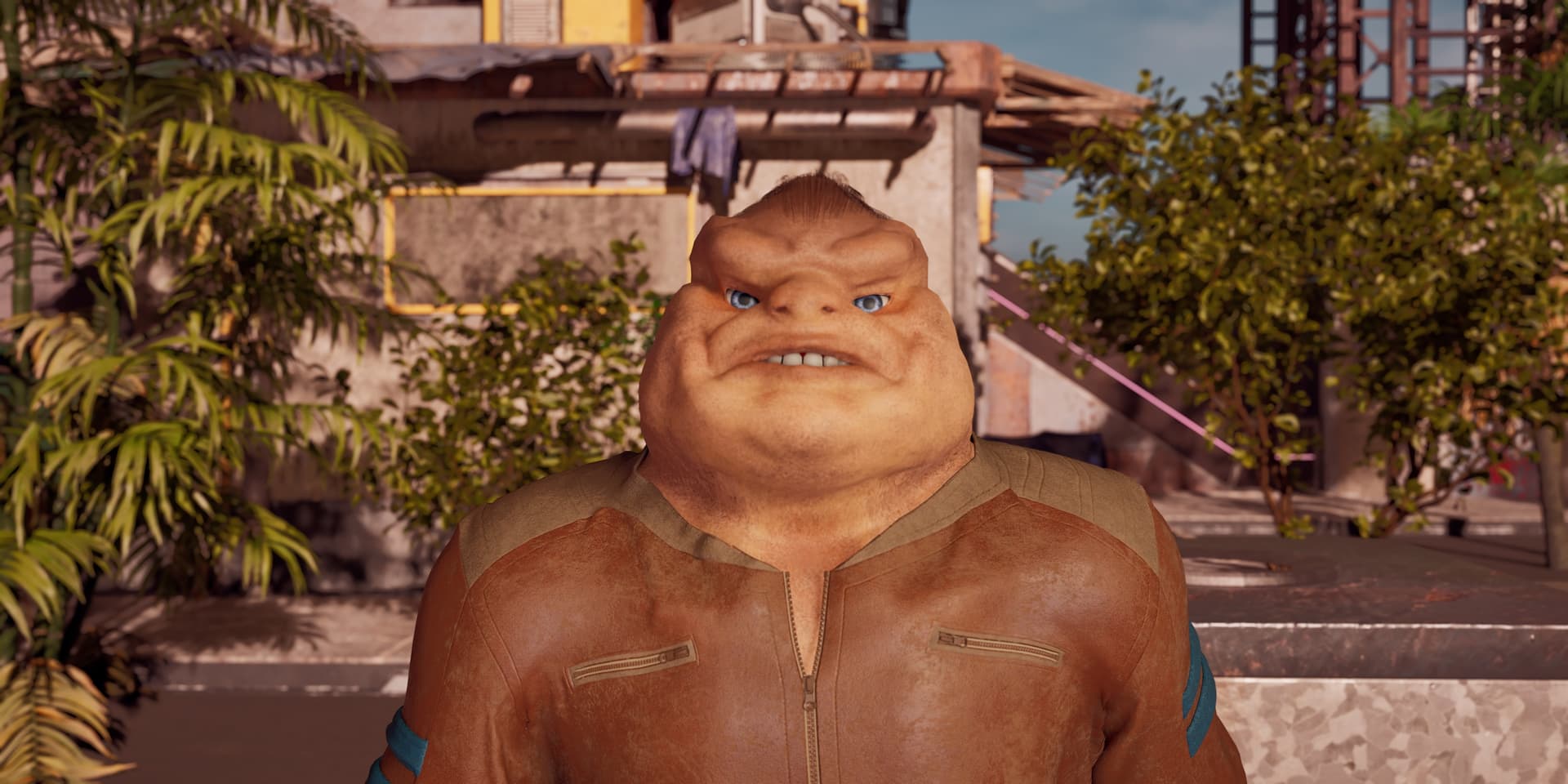
Hair Creation with Strand based hair system in Blender and rendering it Unreal Engine:

3 Likes

Animation & Performance Pipeline

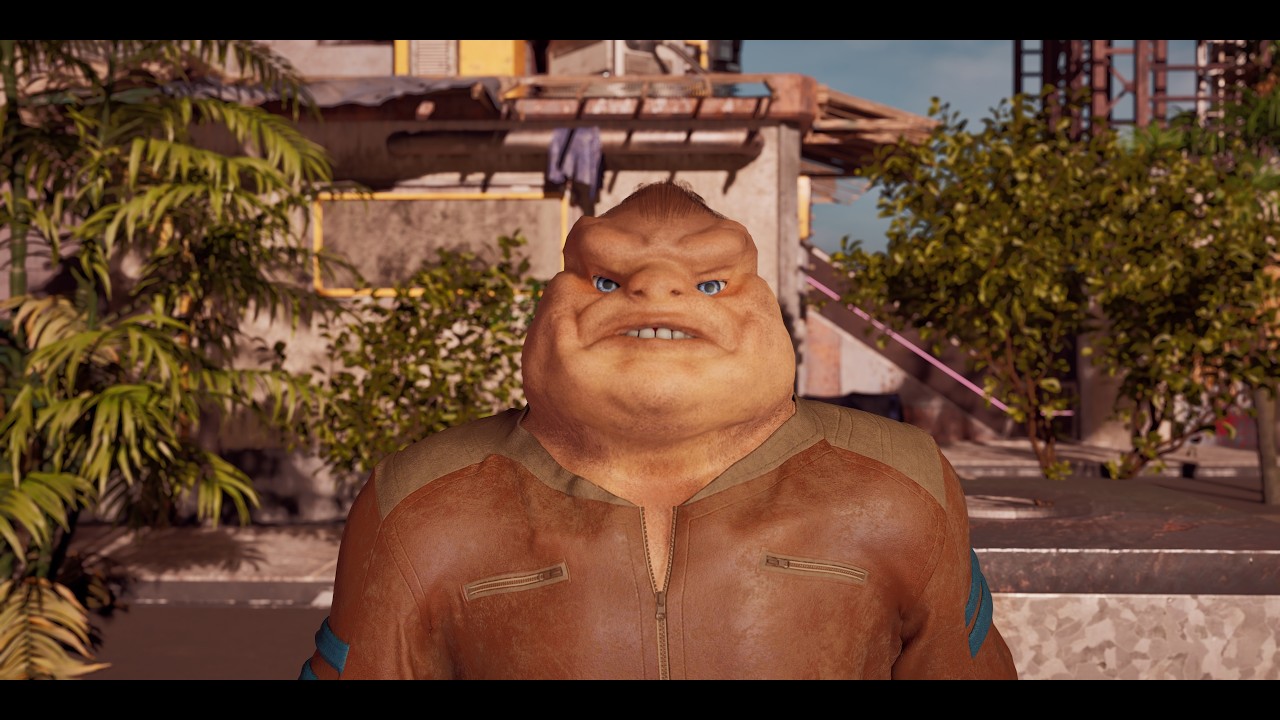
For the performance phase, the vocal track was generated using ElevenLabs AI. I integrated this into iClone using AccuLIPS to handle the intricate mouth, tongue, and teeth positional tracking.

To bring the extreme alien anatomy to life, I layered this underlying tracking sync with AccuFace, capturing nuanced facial performance profiles. I then polished the head movements using manual keyframe tracking to establish subtle secondary motions:

Body Animation & World Interaction

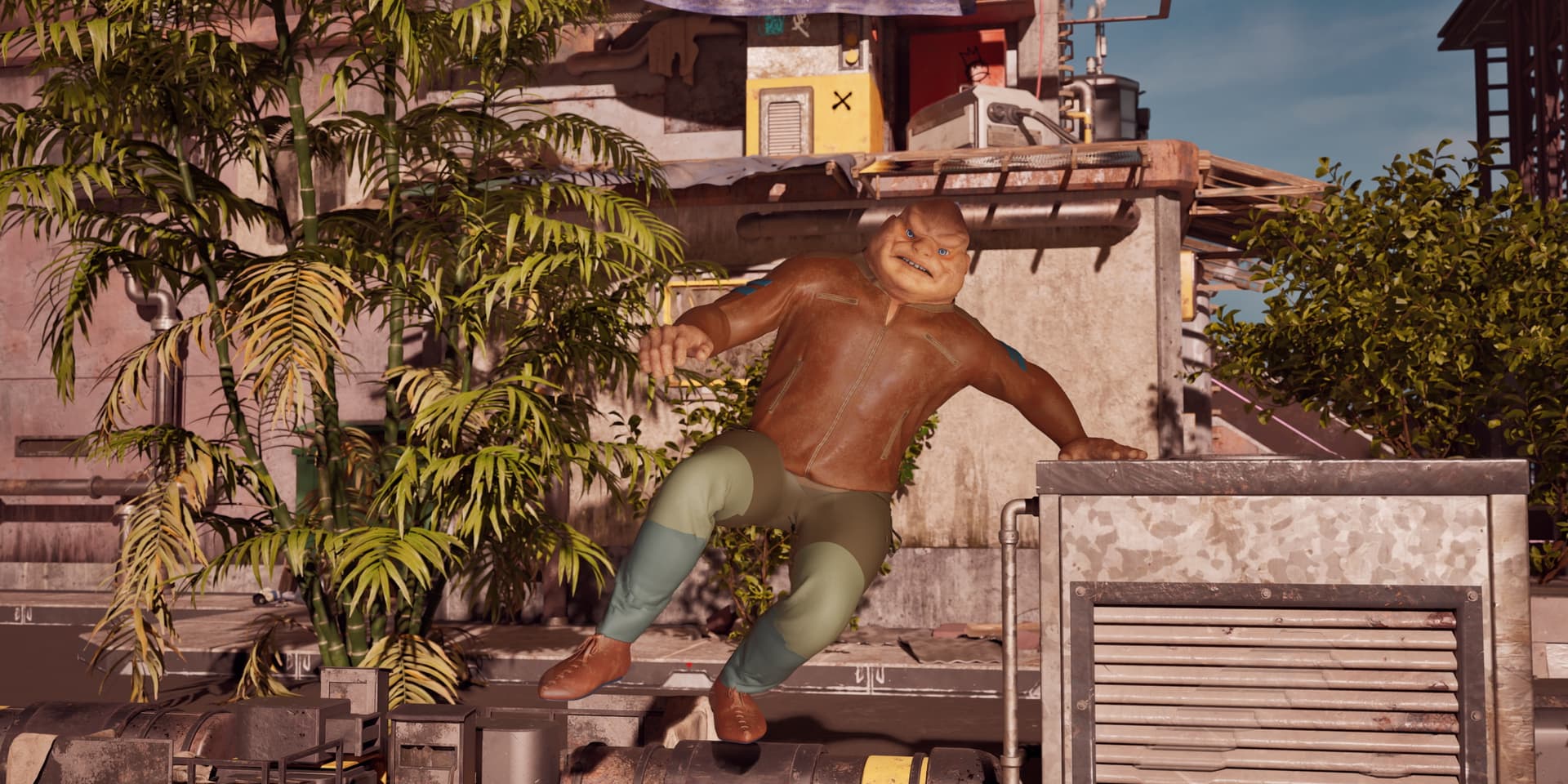
To display asset versatility, I built a custom keyframe sequence of a parkour vault. The animation curves were mapped to line up with the environment’s props, heights, and physical geometry obstacles:

Unreal Engine Integration & FlexRap Rendering

The character model was brought into Unreal Engine using the Live Link framework. For the grooming, I built a custom strand-based hair system inside Blender and imported it natively.

The environment layout and character lighting were balanced using precise light-linking properties. This isolated the high-resolution character texturing, keeping it vibrant against the surrounding background exposures.

Cinematic Format & Post-Production Fidelity

The piece was composed and rendered at an Ultra HD 3840 x 1920 resolution—adhering to the Univisium 2:1 standard. This serves as a perfect artistic bridge between television scale and sweeping cinematic compositions.

To avoid data loss across the pipeline, master source sequences were preserved as 10-bit ProRes 422 files out of Unreal. Final mastering was compiled within DaVinci Resolve, outputting a high-fidelity DNxHR HQX (10-bit) print to feed YouTube’s encoder maximum pixel density:


Final Submission Video

The rendered 4K 2:1 aspect ratio animation video: